Best Morocco Trails | Tours, Excursions & Activities in Morocco
Ait Ben Haddou
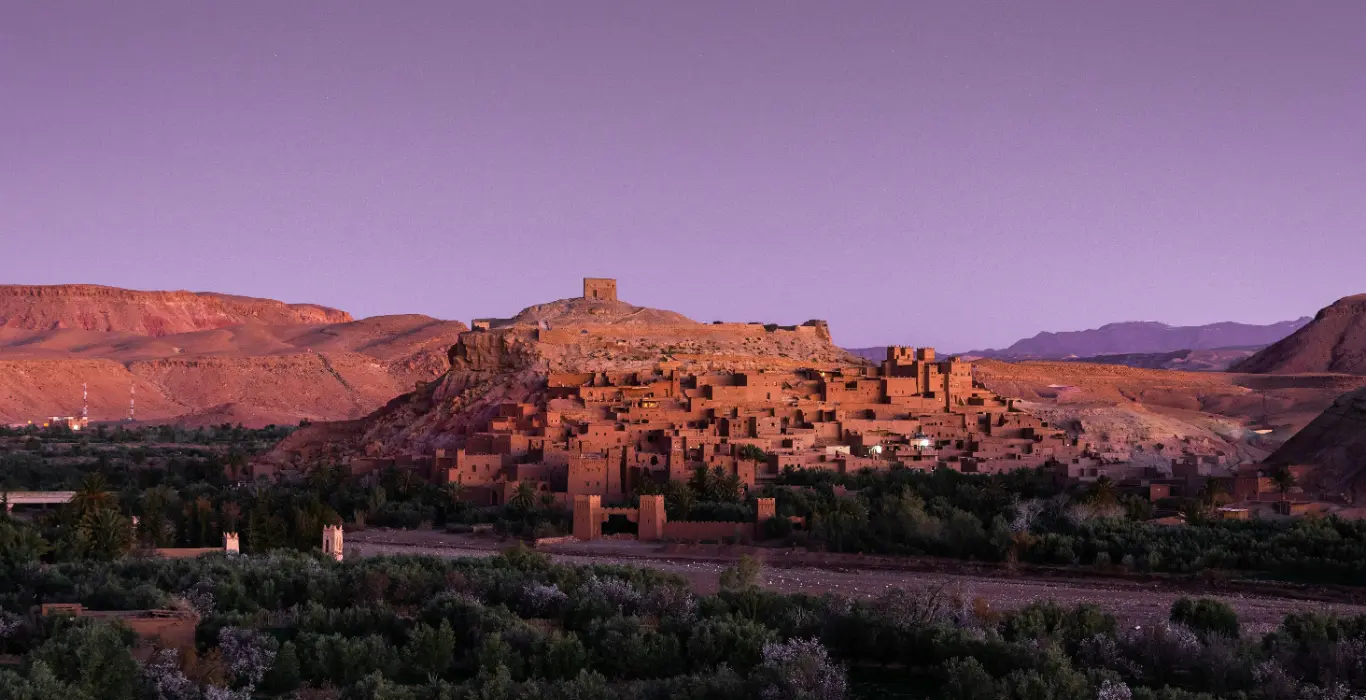
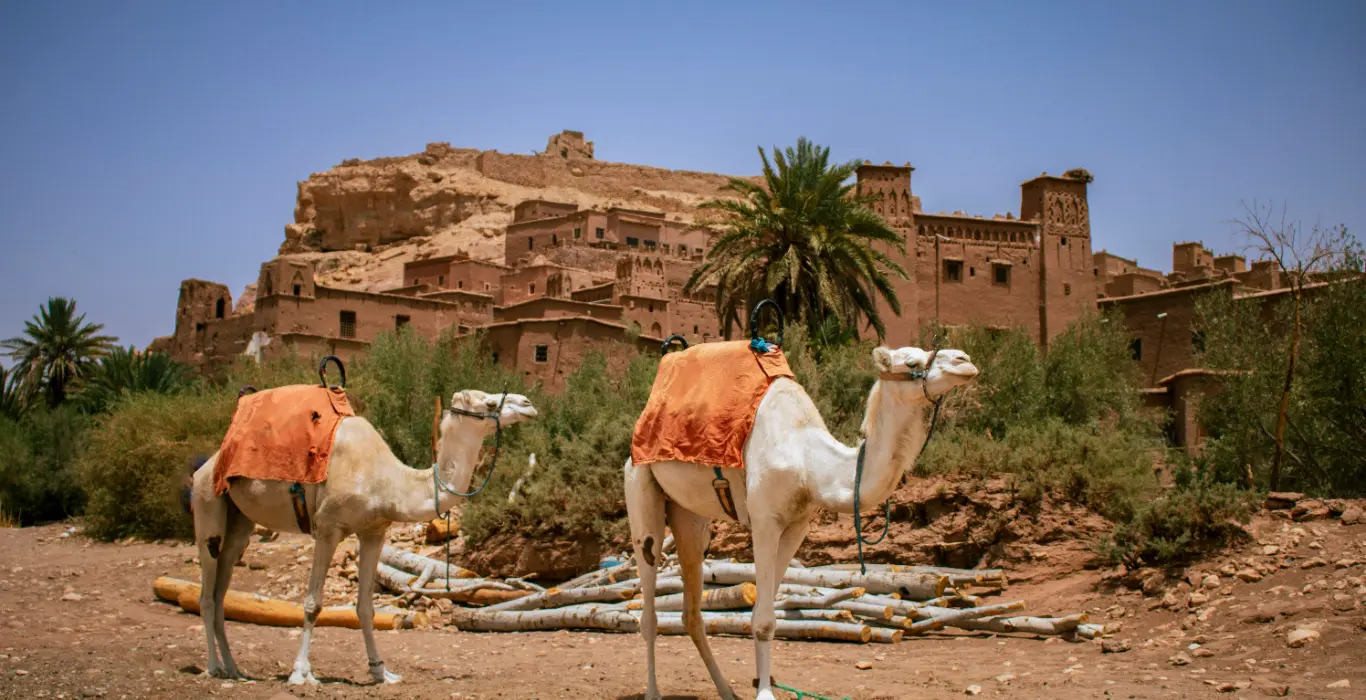
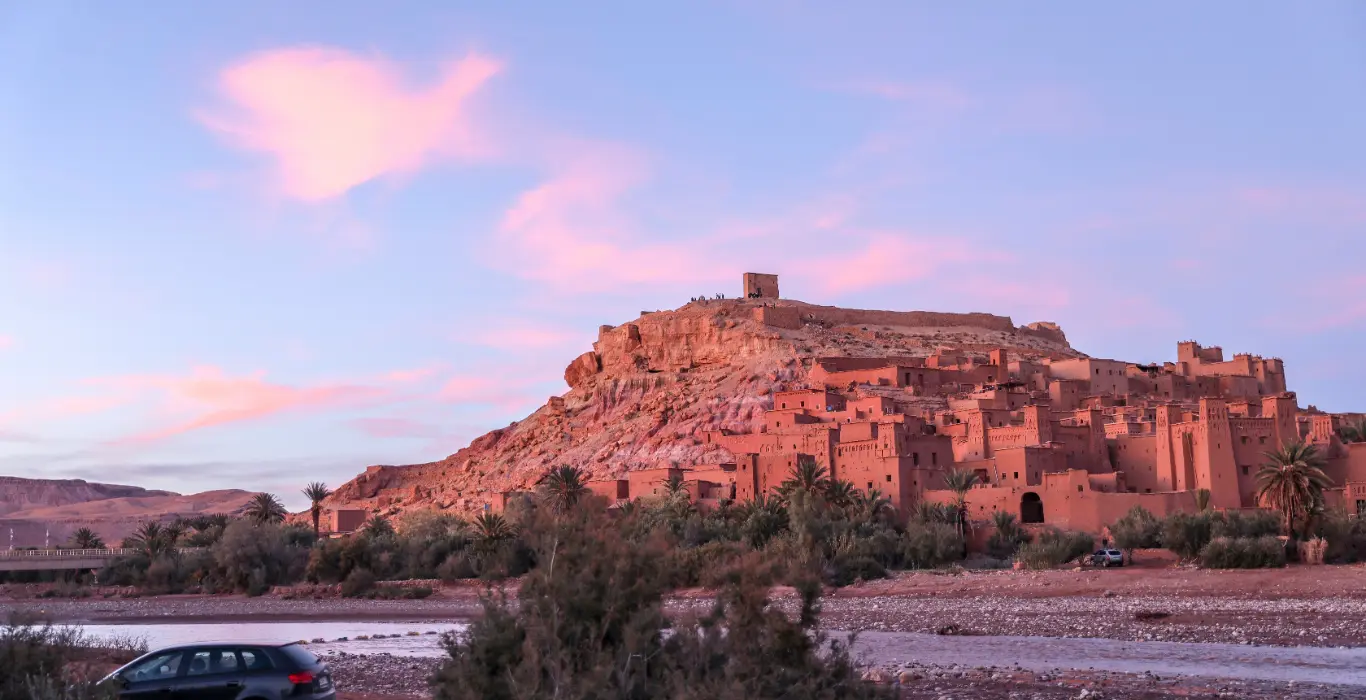
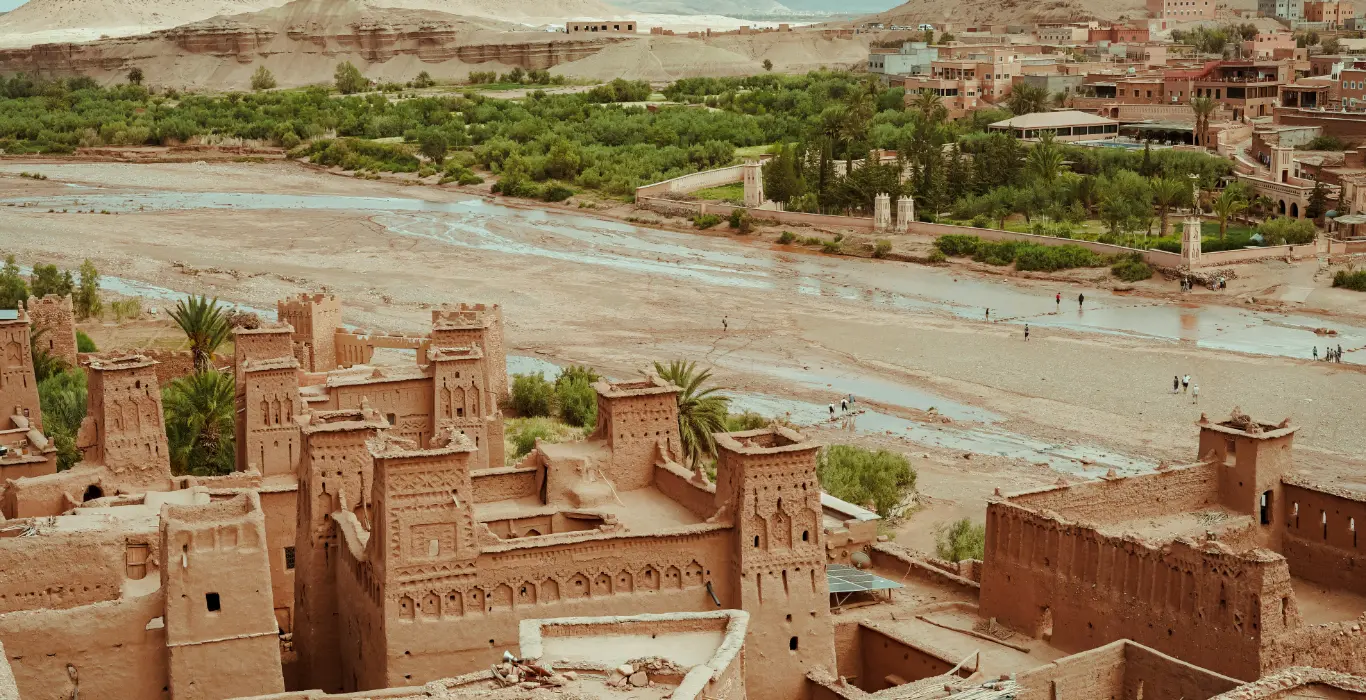
Ait Ben Haddou is a historic fortified village (ksar) located in the foothills of the High Atlas Mountains in southern Morocco, approximately 30 kilometers (19 miles) north of Ouarzazate. This remarkable example of traditional Moroccan earthen clay architecture sits on a hill along the former caravan route between the Sahara and Marrakech. Designated a UNESCO World Heritage Site in 1987, Ait Ben Haddou is one of the best-preserved ksours in Morocco and a masterpiece of pre-Saharan habitat construction.
History
Ait Ben Haddou was likely founded in the 11th century by the Berber tribes of the region, though some structures may date back even further. The ksar flourished as a vital stop along the trans-Saharan trade route, where merchants exchanged gold, salt, slaves, and other goods. The settlement was strategically built on a hillside for defensive purposes, with its granary (agadir) at the summit serving as both a fortress and a communal storage facility. Over centuries, the village was maintained and expanded by local Berber communities, particularly under the influence of the Glaoui family, powerful regional leaders during the 19th and early 20th centuries.
Key Attractions
Architectural Highlights
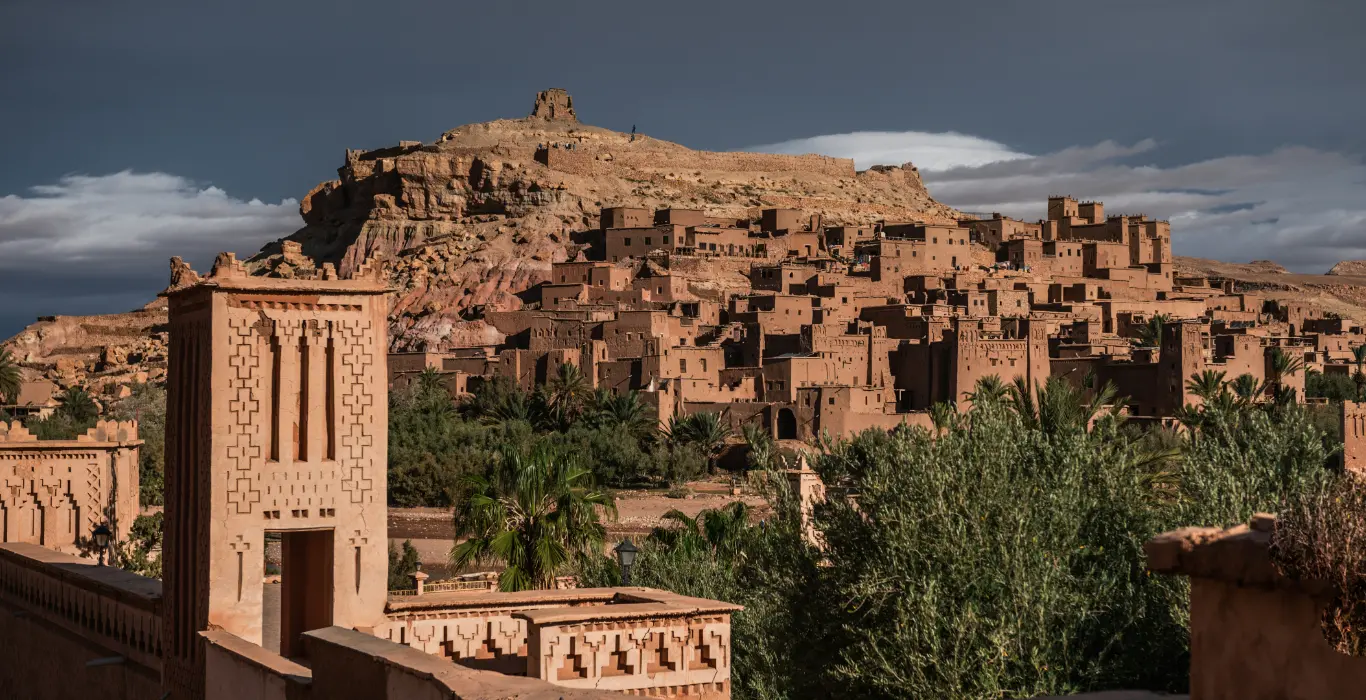
- Earthen Clay Structures: Intricate kasbahs, towers, and homes built using traditional pisé (rammed earth) and adobe techniques
- Granary (Agadir): The fortified communal granary at the top of the hill, offering panoramic views of the surrounding valley
- Decorative Elements: Geometric patterns, carved wooden doors, and ornamental motifs reflecting Berber artistic traditions
- Labyrinthine Alleyways: Narrow, winding passages that showcase the organic layout of traditional North African urban design
Cultural Experiences
- Guided Tours: Learn about the history, architecture, and daily life of the ksar from local Berber guides
- Traditional Crafts: Observe or purchase handmade pottery, carpets, and jewelry crafted by local artisans
- Photography: Capture stunning images of the golden-hued buildings against dramatic mountain backdrops
Nearby Points of Interest
- Ouarzazate: The “Gateway to the Sahara,” home to major film studios and additional historic kasbahs
- Todra and Dades Gorges: Spectacular canyon landscapes ideal for hiking and exploration
- Lake Mansour Eddahbi: A serene reservoir offering scenic views and relaxation
Culture
Ait Ben Haddou remains a living testament to Berber (Amazigh) heritage and traditional communal living. While many original inhabitants have relocated to more modern housing across the river, the ksar is still maintained and occasionally inhabited, preserving its cultural authenticity. Local communities continue to practice traditional crafts, music, and storytelling, offering visitors a glimpse into centuries-old ways of life. The site also plays a role in Moroccan cinema, with its timeless architecture serving as a backdrop for countless historical and fantasy productions.
Climate
Ait Ben Haddou experiences a hot desert climate with extreme temperature variations. Summers are intensely hot, with daytime highs frequently exceeding 40°C (104°F), while winters are mild during the day (18-22°C / 64-72°F) but can be chilly at night, occasionally nearing freezing. Rainfall is scarce year-round. The optimal visiting periods are spring (March-May) and autumn (September-November), when temperatures are comfortable and the light enhances the golden tones of the earthen architecture.
Modern Ait Ben Haddou
Today, Ait Ben Haddou is one of Morocco’s most iconic cultural landmarks and a major tourist destination. While preservation efforts led by UNESCO and Moroccan authorities help protect the site from erosion and over-tourism, the ksar remains accessible to visitors. It continues to attract filmmakers, with productions such as “Lawrence of Arabia,” “Gladiator,” “Game of Thrones,” and “Kingdom of Heaven” utilizing its timeless scenery. For travelers, Ait Ben Haddou offers a unique opportunity to step back in time, explore authentic Berber architecture, and appreciate the enduring beauty of Morocco’s desert heritage—all within easy reach of Ouarzazate and popular desert tour routes.


Best Morocco Trails is a premier travel agency dedicated to delivering exceptional travel experiences across the Kingdom of Morocco
Call Us
+212 678 818 696
Mail Us
contact@bestmoroccotrails.com