Best Morocco Trails | Tours, Excursions & Activities in Morocco
Merzouga
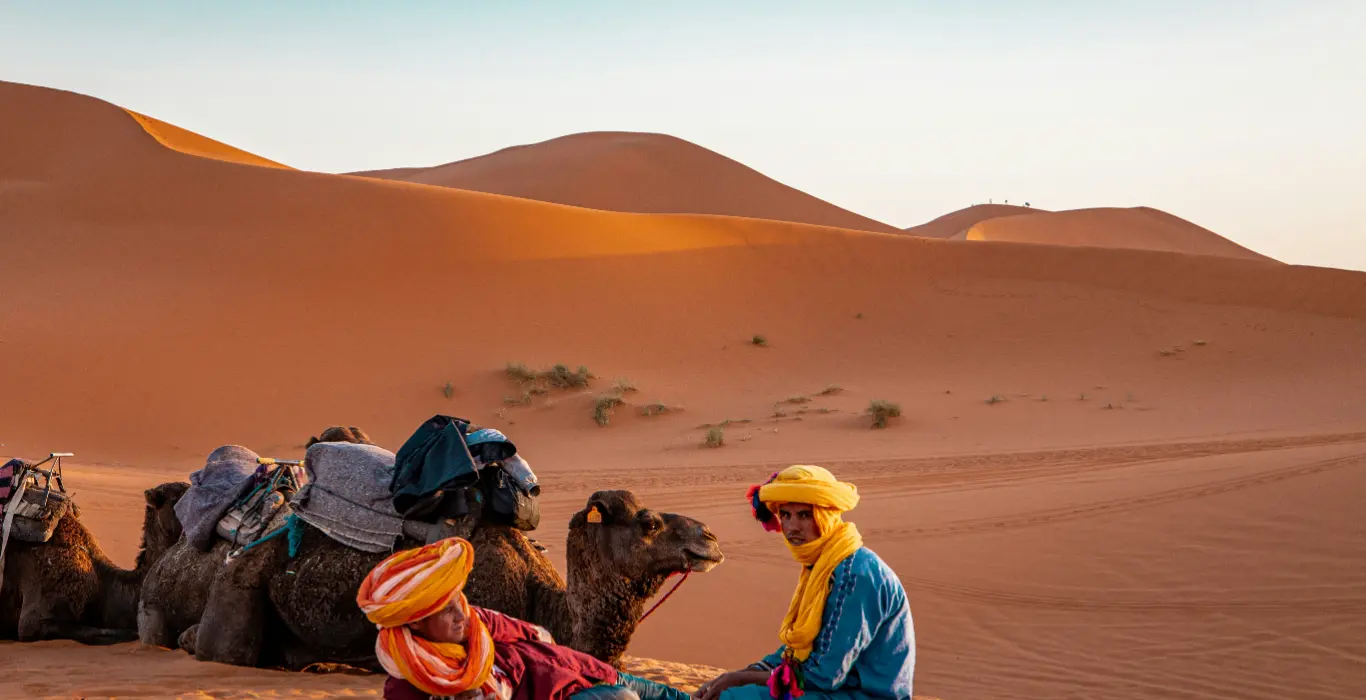
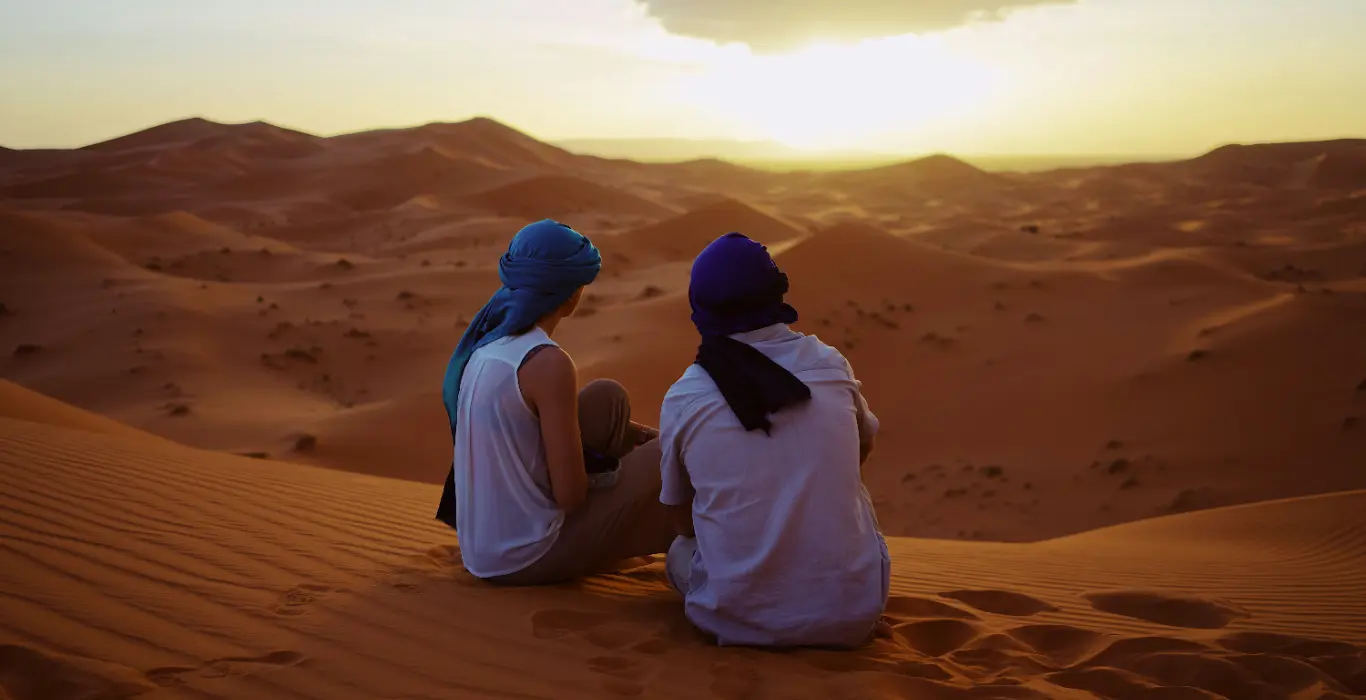
Merzouga is a small village located in southeastern Morocco, near the Algerian border, in the Drâa-Tafilalet region. Situated at the edge of Erg Chebbi—one of Morocco’s two major ergs (large seas of wind-blown sand)—Merzouga serves as the primary gateway to the Sahara Desert experience. The village lies approximately 55 kilometers south of Rissani and about 350 kilometers east of Marrakech. Erg Chebbi’s golden dunes rise up to 150 meters (490 feet) in height and stretch over 40 kilometers in length, creating one of the most iconic desert landscapes in North Africa.
History
Merzouga’s history is deeply intertwined with trans-Saharan trade routes and the nomadic traditions of the region. For centuries, Berber and Arab caravans traversed these desert paths, transporting gold, salt, ivory, and other goods between sub-Saharan Africa and the Mediterranean. The village itself remained a modest settlement until the late 20th century, when growing interest in desert tourism transformed it into a hub for Sahara expeditions. Local communities, primarily of Berber (Amazigh) descent, have maintained their traditional lifestyles while adapting to the opportunities presented by sustainable tourism.
Key Attractions
Erg Chebbi Dunes
- Golden Sand Dunes: Vast, undulating dunes that shift with the wind, offering breathtaking panoramic views
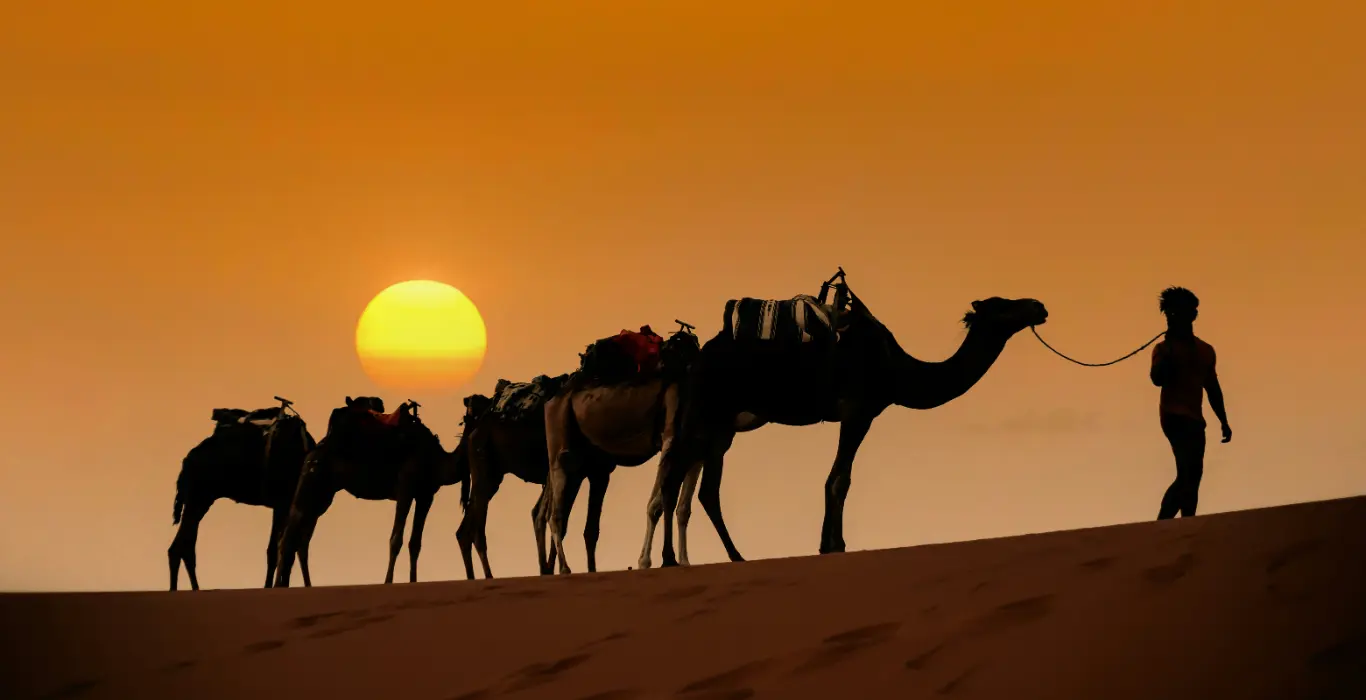
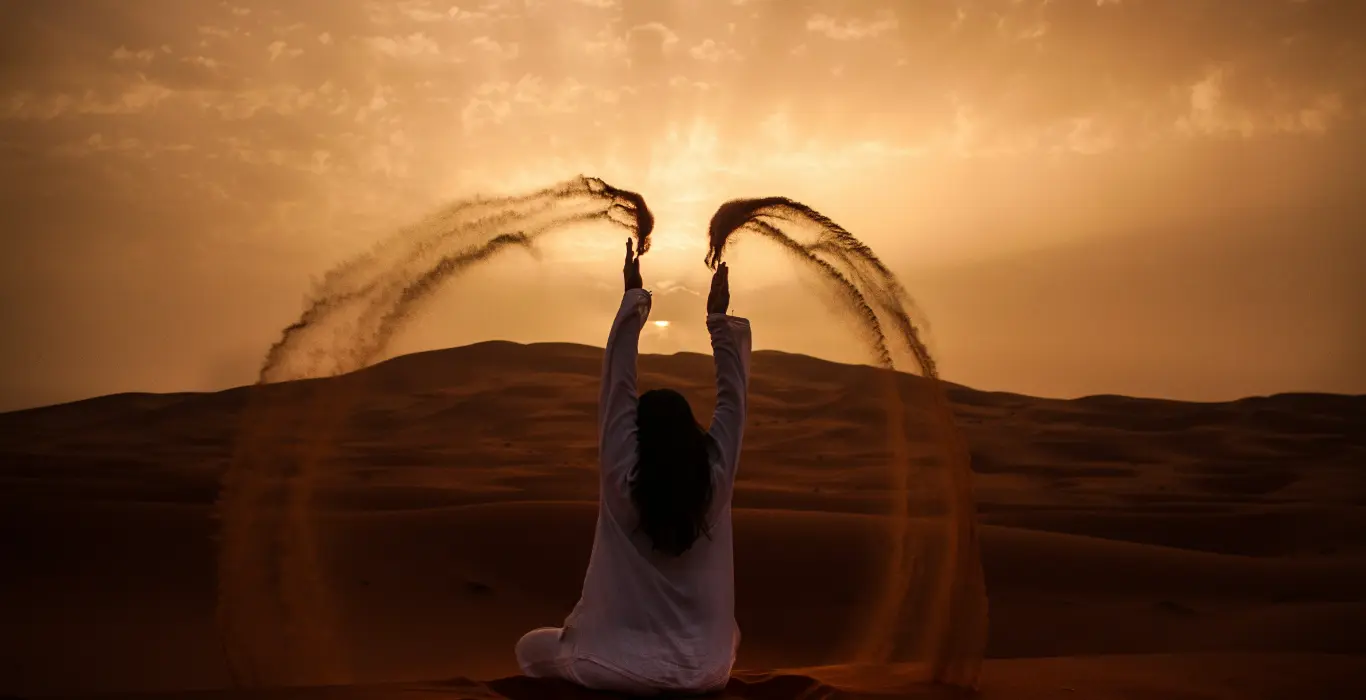
- Sunrise and Sunset Treks: Magical moments when the dunes glow in warm hues of orange, pink, and gold
- Camel Trekking: Traditional camel rides across the dunes, often leading to desert camps for overnight stays
- Sandboarding: Adventure activity sliding down the soft slopes of the dunes
Desert Experiences
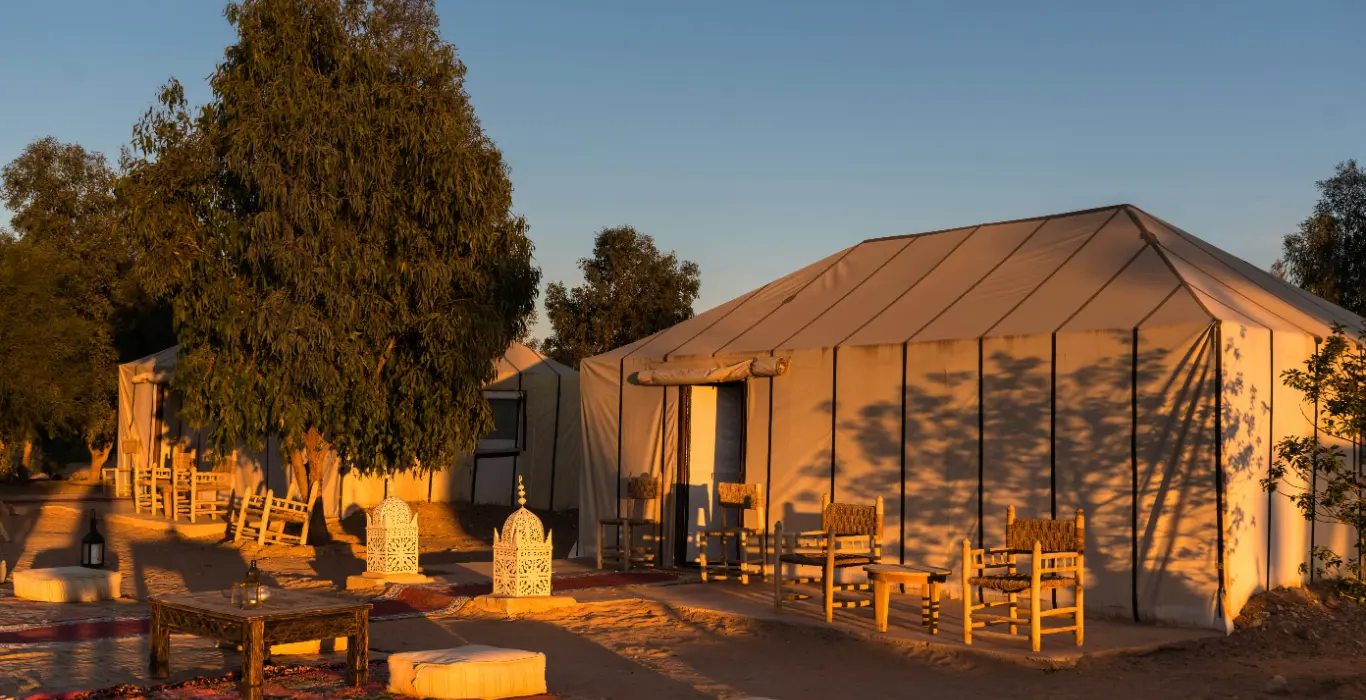
- Luxury Desert Camps: Overnight stays in Berber-style tents with modern amenities, traditional meals, and live music
- Stargazing: Exceptionally clear night skies with minimal light pollution, ideal for astronomy enthusiasts
- 4×4 Desert Tours: Off-road excursions exploring hidden oases, fossil sites, and nomadic settlements
- Visit to Khamlia Village: Experience Gnawa music and culture with local descendants of sub-Saharan African communities
Cultural & Natural Sites
- Fossil Exploration: The region is rich in prehistoric fossils, with opportunities to see or purchase authentic specimens
- Day Trips to Nearby Attractions: Excursions to the Ziz Valley, Todra Gorge, or the historic town of Rissani
- Nomadic Encounters: Learn about traditional desert survival skills and Bedouin hospitality from local families
Culture
Merzouga is a vibrant center of Berber (Amazigh) and Saharan culture. The local population maintains strong ties to traditional music, crafts, and oral storytelling. Gnawa music—a spiritual blend of sub-Saharan African rhythms and Islamic traditions—is particularly prominent in the area, with regular performances in Khamlia village. Visitors can enjoy traditional Berber cuisine, including tagines cooked over open fires, fresh dates from local oases, and sweet mint tea served as a gesture of hospitality. The annual Merzouga Music Festival and other cultural events celebrate the region’s diverse heritage and artistic expression.
Climate
Merzouga experiences an extreme hot desert climate. Summer temperatures frequently soar above 45°C (113°F) during the day, while winter days are pleasantly warm (20-25°C / 68-77°F) with nights that can drop to near freezing. Rainfall is scarce and unpredictable throughout the year. The best times to visit are spring (March-May) and autumn (September-November), when daytime temperatures are comfortable for outdoor activities and the desert landscape is at its most inviting. Early mornings and evenings offer the most pleasant conditions year-round.
Modern Merzouga
Today, Merzouga is a thriving ecotourism destination that balances authentic desert experiences with responsible travel practices. The village offers a range of accommodations, from basic guesthouses to luxury desert camps, catering to diverse traveler preferences. Local guides and tour operators prioritize sustainable tourism, supporting community development and environmental conservation. Merzouga remains a bucket-list destination for travelers seeking the quintessential Sahara experience—camel treks at sunset, nights under a canopy of stars, and the profound silence of the dunes. Its accessibility from major Moroccan cities, combined with its unparalleled natural beauty and cultural richness, ensures that Merzouga continues to captivate visitors from around the world while preserving the timeless spirit of the desert.


Best Morocco Trails is a premier travel agency dedicated to delivering exceptional travel experiences across the Kingdom of Morocco
Call Us
+212 678 818 696
Mail Us
contact@bestmoroccotrails.com