Best Morocco Trails | Tours, Excursions & Activities in Morocco
Rabat
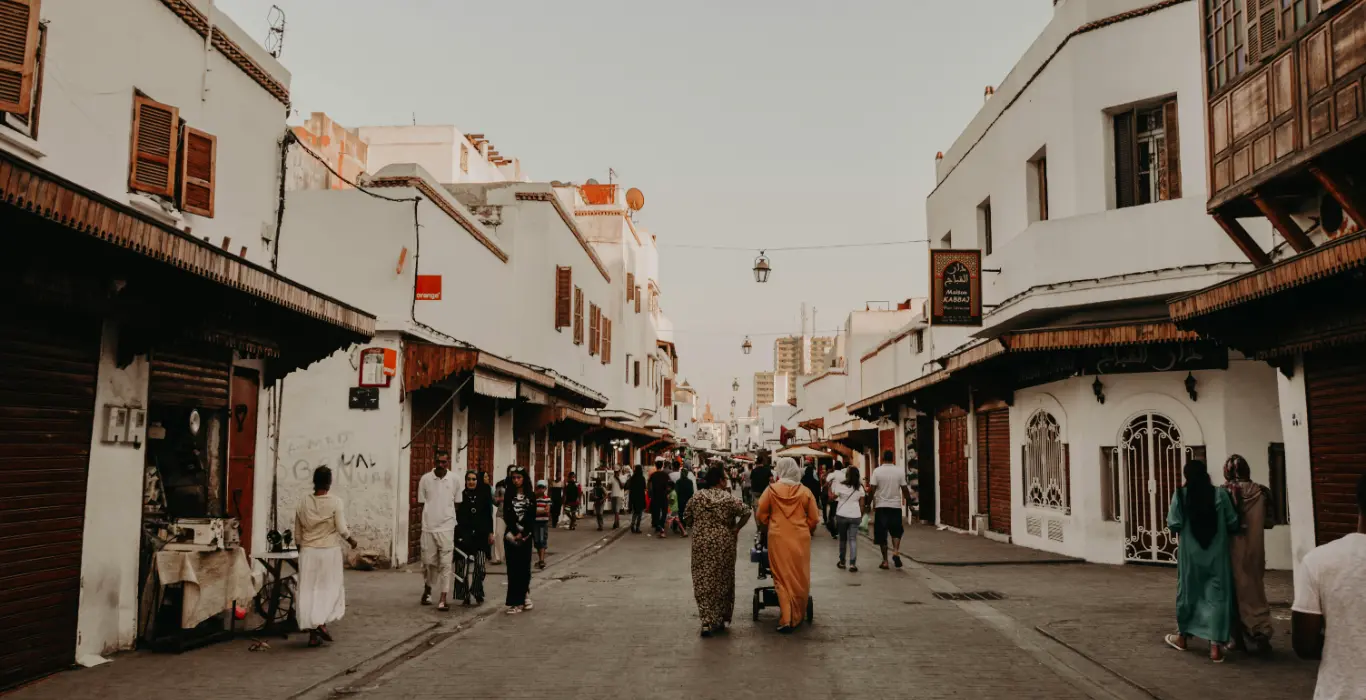
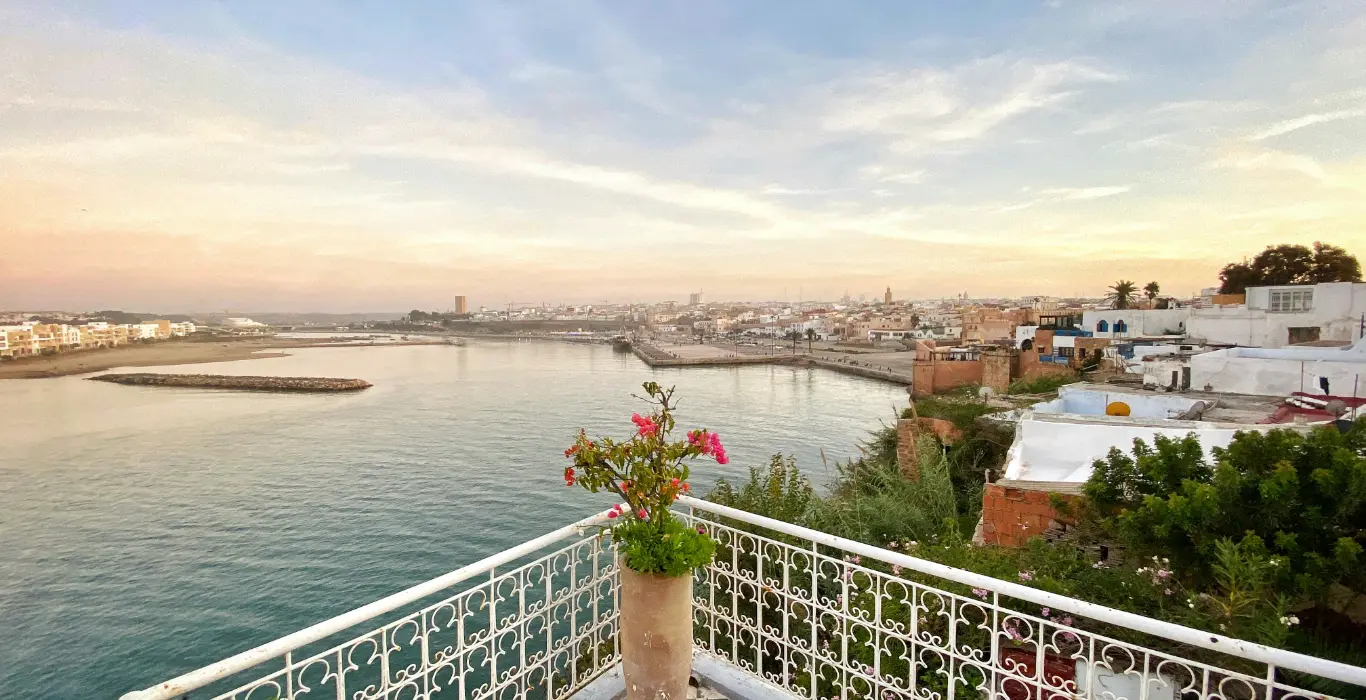
Rabat is the capital city of Morocco and one of the country’s four imperial cities. Located on the Atlantic Ocean at the mouth of the Bou Regreg River, Rabat forms a twin-city metropolitan area with Salé, situated directly across the river. As the political and administrative heart of the Kingdom, Rabat houses the royal palace, government ministries, foreign embassies, and key national institutions. Despite its official status, Rabat maintains a relaxed, elegant atmosphere distinct from Morocco’s more bustling commercial centers. The city is home to approximately 1.2 million residents and serves as the capital of the Rabat-Salé-Kénitra region.
History
Rabat’s origins date back to the 3rd century BCE with a Phoenician settlement, but its modern foundation began in the 12th century under the Almohad Caliphate. Sultan Yacoub al-Mansour established the city as a military outpost and began construction of the massive Hassan Mosque and its iconic minaret in 1195. After a period of decline, Rabat was revitalized in the 17th century by Andalusian Muslims and Jews expelled from Spain, who brought refined artisanal traditions and architectural influences. In 1912, during the French protectorate, Rabat was designated the administrative capital of Morocco—a status it retained after independence in 1956. In 2012, UNESCO inscribed Rabat as a World Heritage Site, recognizing its layered history and harmonious blend of historic and modern urban planning.
Key Attractions
Historical Monuments
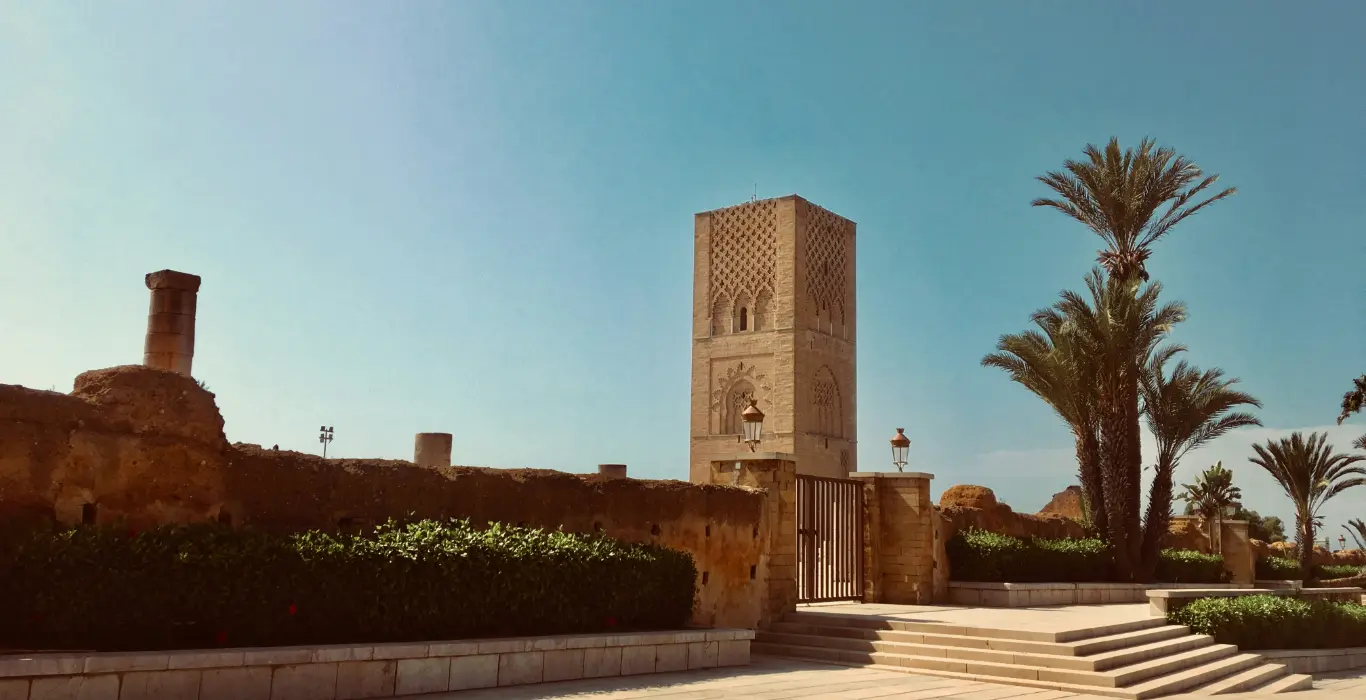
- Hassan Tower: The unfinished minaret of a 12th-century mosque, standing as an iconic symbol of Rabat alongside the adjacent Mausoleum of Mohammed V
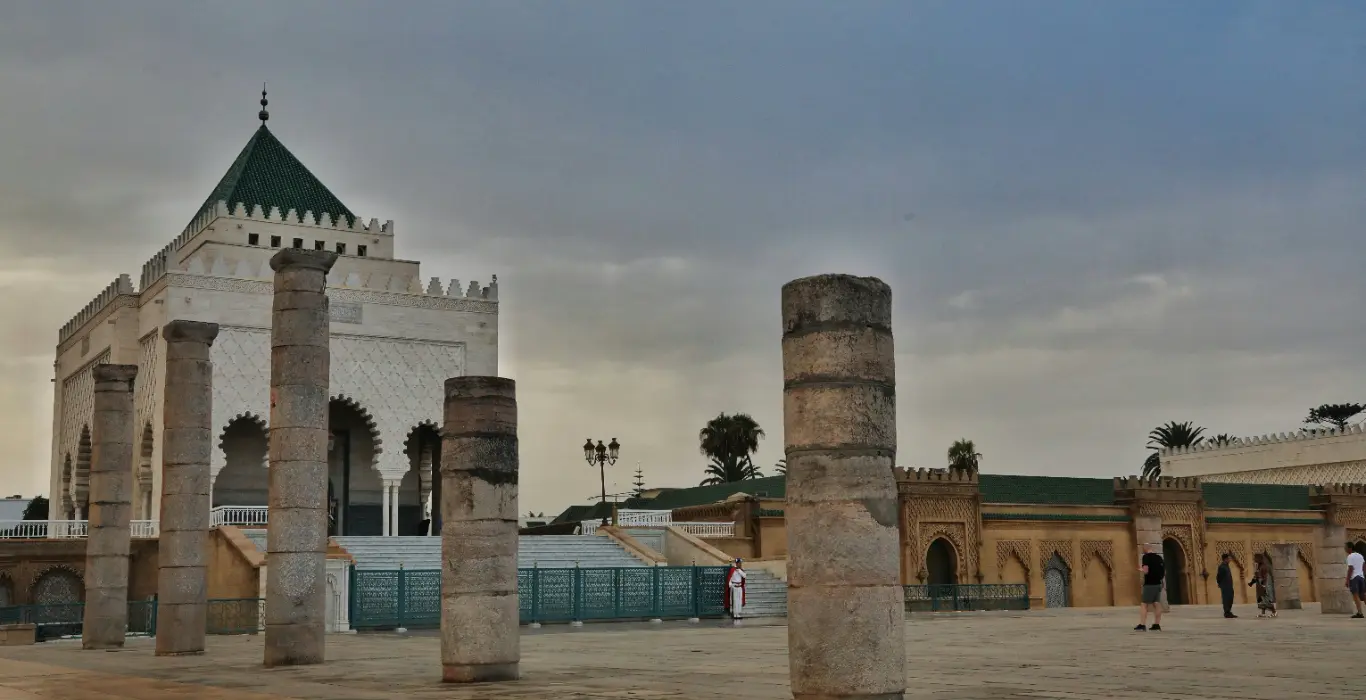
- Mausoleum of Mohammed V: A masterpiece of Alaouite architecture housing the tombs of King Mohammed V, King Hassan II, and Prince Abdallah, featuring intricate zellij tilework and carved cedar
- Kasbah of the Udayas: A fortified citadel overlooking the Atlantic, with blue-and-white Andalusian-style streets, traditional homes, and panoramic ocean views
- Chellah Necropolis: A medieval fortified Muslim necropolis built atop ancient Roman ruins, offering a serene garden setting and historical layers spanning centuries
Cultural & Modern Sites
- Mohammed VI Museum of Modern and Contemporary Art: Showcasing Moroccan and international art in a striking modern building
- Rabat Archaeological Museum: Housing important artifacts from prehistoric times through the Islamic era, including bronze statues and Roman mosaics
- Andalusian Gardens: Lush, tranquil gardens within the Kasbah featuring orange trees, fountains, and traditional tilework
- Bou Regreg Marina: A contemporary waterfront development offering dining, leisure activities, and scenic views of the river meeting the ocean
Coastal & Natural Experiences
- Beaches: Rabat’s coastline features clean, accessible beaches such as Plage de Rabat and Plage de Salé, popular for walking, swimming, and water sports
- Oudayas Beach: A picturesque stretch near the Kasbah, ideal for sunset views and photography
- Birdwatching at Bou Regreg: The river estuary is a haven for migratory birds, attracting nature enthusiasts and photographers
Culture
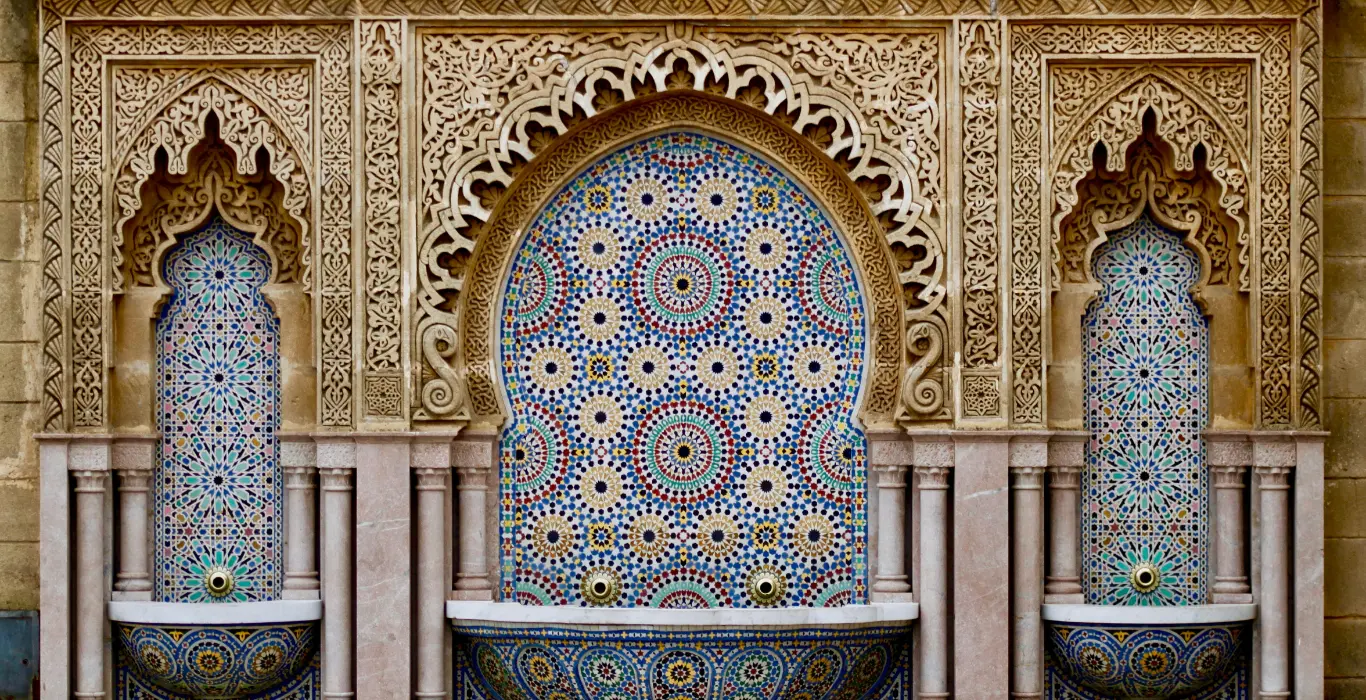
Rabat embodies a refined blend of tradition and modernity, reflecting its role as Morocco’s political capital and cultural crossroads. The city is known for its sophisticated arts scene, prestigious educational institutions, and vibrant intellectual life. Traditional crafts such as zellij mosaicwork, wood carving, and embroidery thrive alongside contemporary design and galleries. Rabat’s culinary scene offers both authentic Moroccan cuisine—including standout seafood dishes from the Atlantic coast—and international flavors. The city hosts notable cultural events such as the Mawazine Music Festival, one of Africa’s largest music gatherings, and the Rabat International Film Festival, drawing artists and audiences from around the world. The relaxed pace of life, tree-lined boulevards, and coastal setting contribute to Rabat’s reputation as one of Morocco’s most livable cities.
Climate
Rabat enjoys a Mediterranean climate moderated by Atlantic Ocean influences. Summers are warm and dry, with average daytime temperatures of 25-28°C (77-82°F) and cooling sea breezes. Winters are mild and rainy, with daytime highs of 16-18°C (61-64°F) and occasional storms. Spring (March-May) and autumn (September-November) offer the most pleasant conditions, with comfortable temperatures, blooming flora, and ideal weather for outdoor exploration. Humidity is moderate year-round, and fog can occasionally roll in from the ocean in early mornings.
Modern Rabat
Today, Rabat stands as a model of balanced urban development, where historic preservation complements modern infrastructure and sustainable planning. The city features efficient public transportation, including a modern tram system, alongside well-maintained historic quarters. As a UNESCO World Heritage city, Rabat prioritizes conservation of its medina, kasbah, and archaeological sites while fostering innovation in education, technology, and the arts. The presence of government institutions, international organizations, and diplomatic missions lends Rabat a cosmopolitan character, yet the city retains an authentic Moroccan soul. For visitors, Rabat offers a more tranquil introduction to Morocco—where imperial history, coastal beauty, and contemporary culture converge in harmony.


Best Morocco Trails is a premier travel agency dedicated to delivering exceptional travel experiences across the Kingdom of Morocco
Call Us
+212 678 818 696
Mail Us
contact@bestmoroccotrails.com