Best Morocco Trails | Tours, Excursions & Activities in Morocco

Chefchaouen
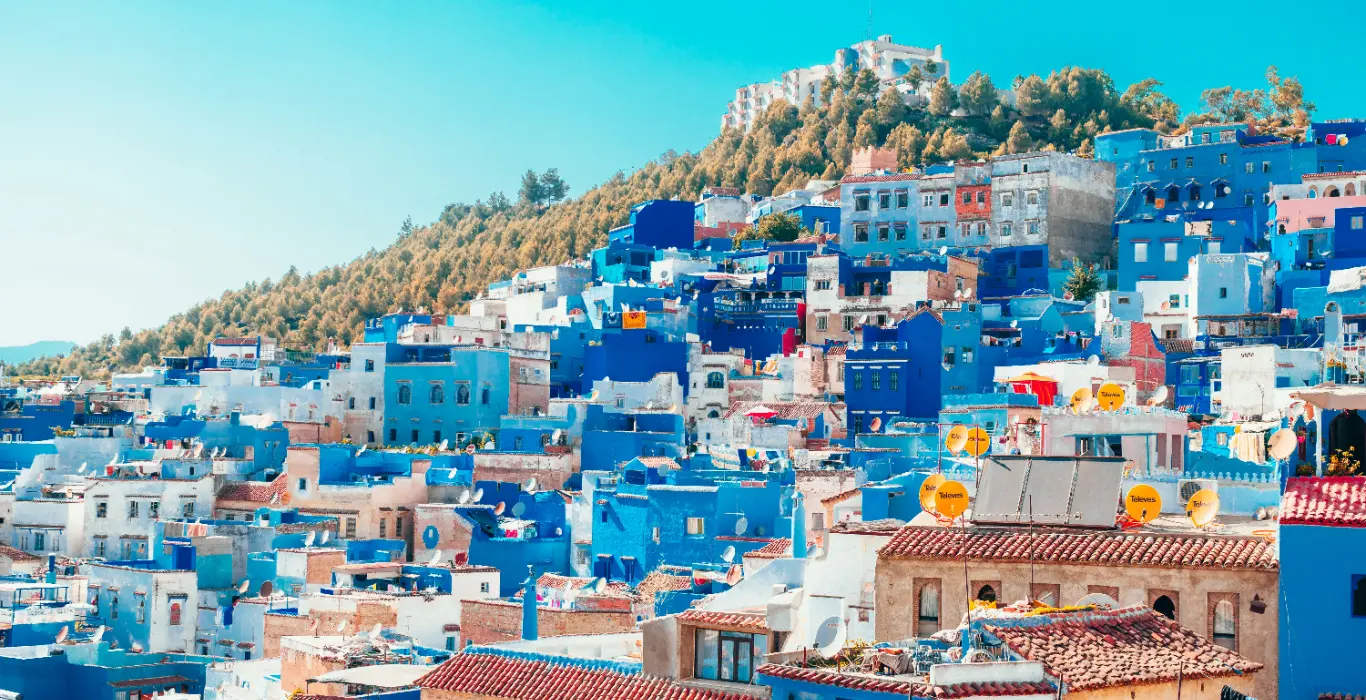
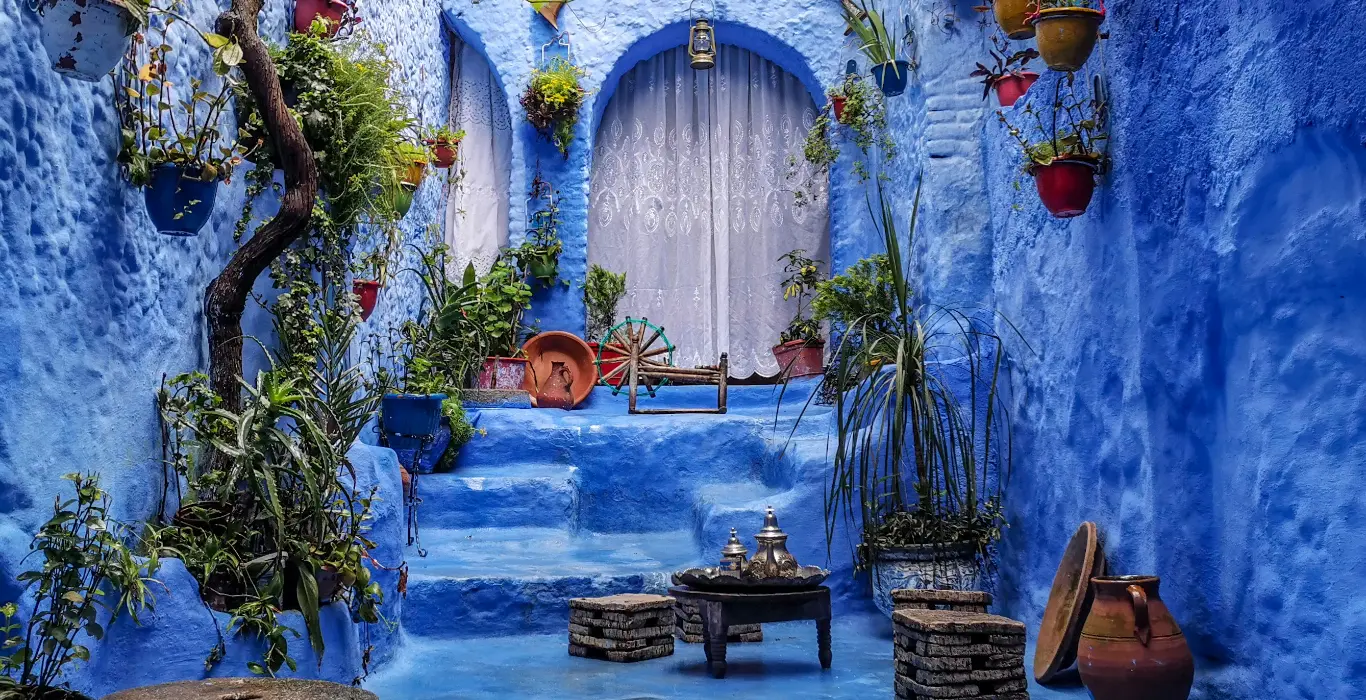
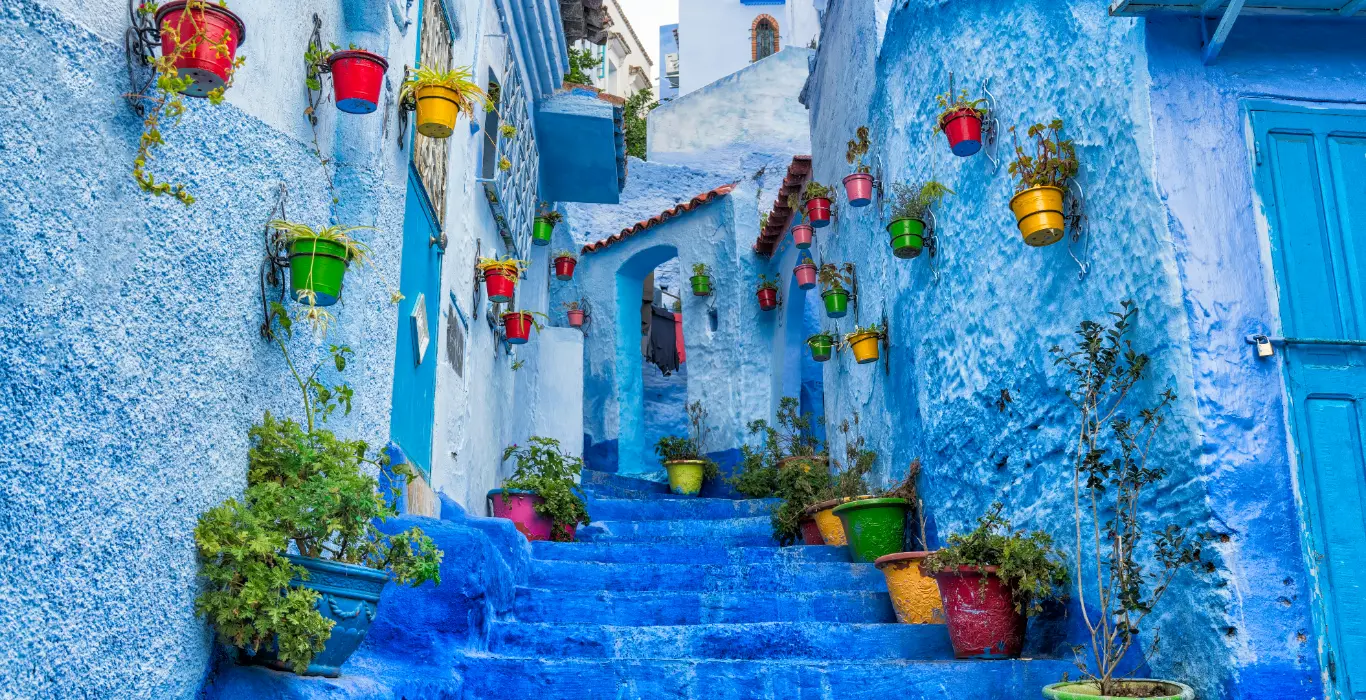
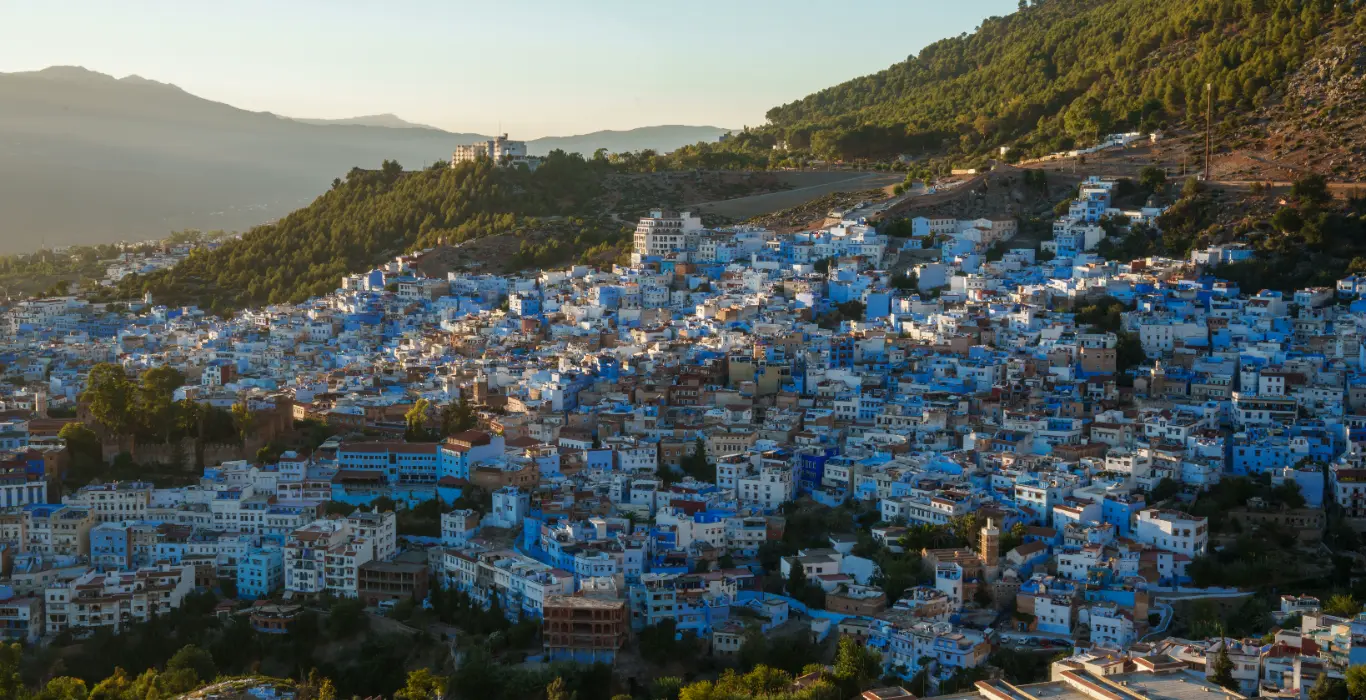
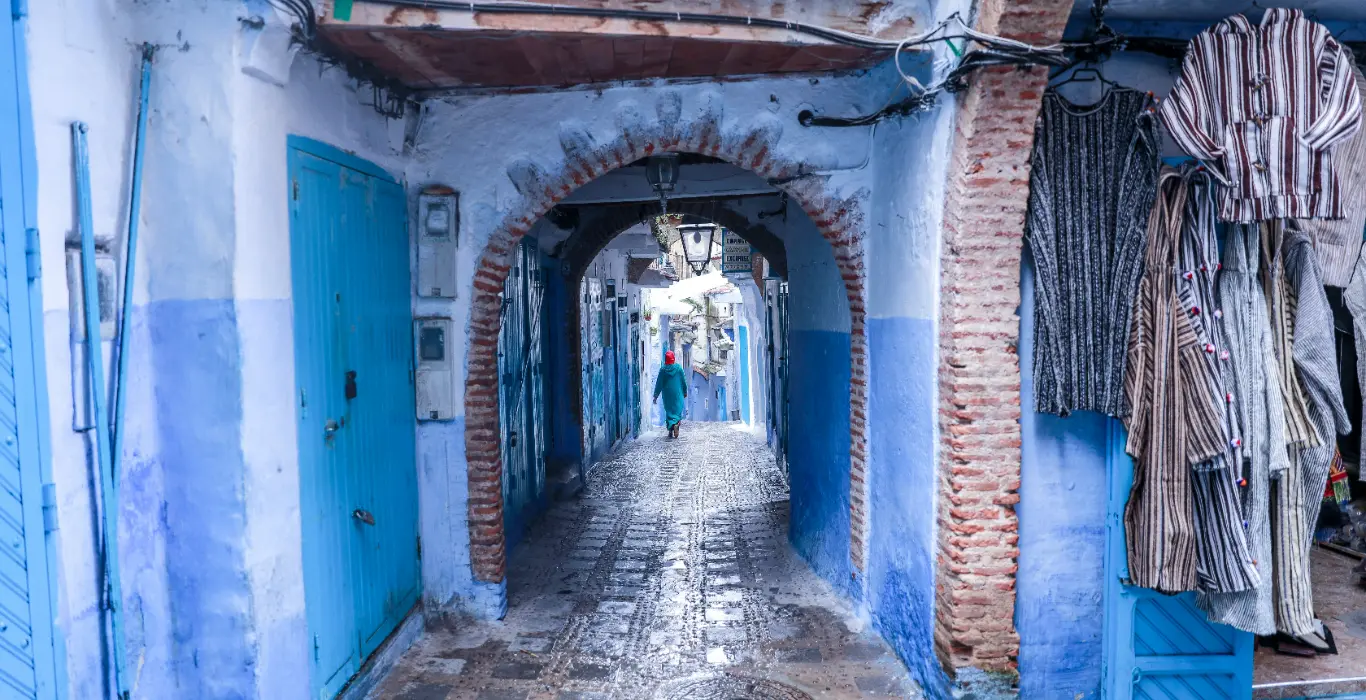
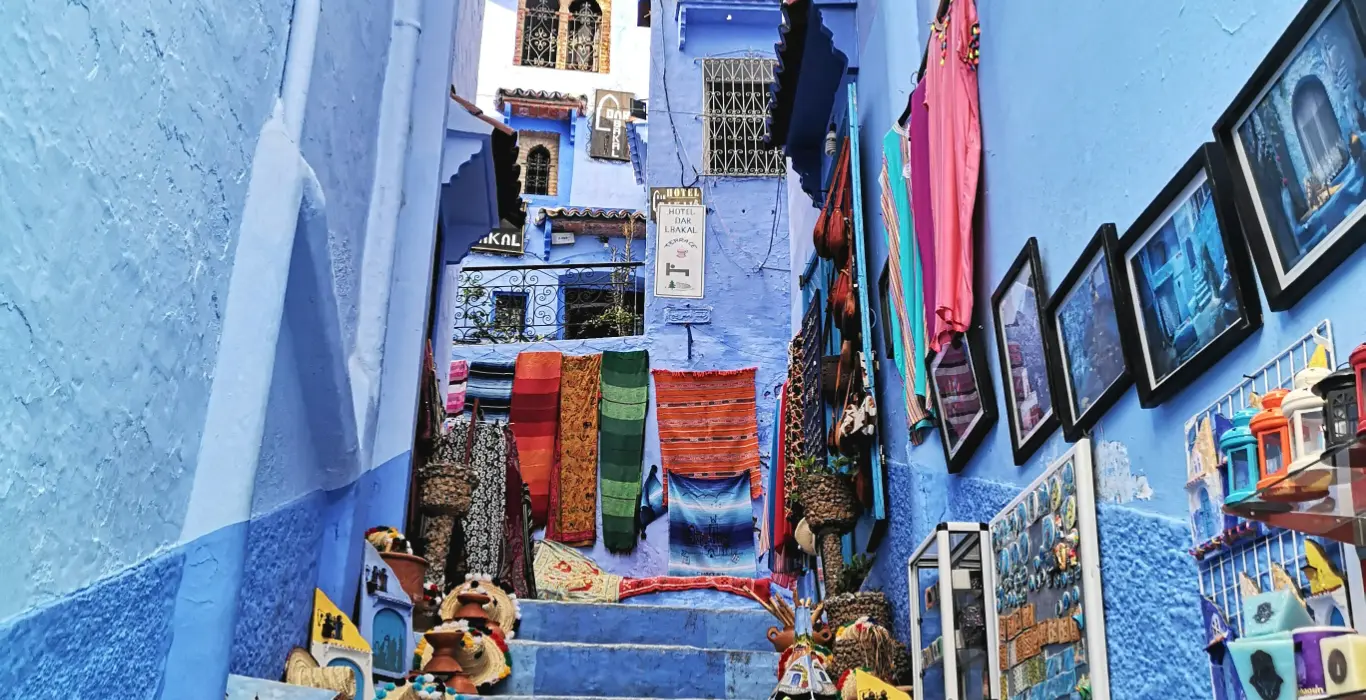
Chefchaouen, often called the “Blue City” or “Blue Pearl” of Morocco, is a picturesque town nestled in the Rif Mountains of northwestern Morocco. Located approximately 60 kilometers inland from the Mediterranean coast and about 110 kilometers from Tangier, Chefchaouen sits at an elevation of roughly 560 meters (1,840 feet). The town is renowned worldwide for its striking aesthetic: buildings, alleyways, staircases, and even doorways washed in varying shades of blue, creating a serene and photogenic atmosphere unlike anywhere else in the country.
History
Chefchaouen was founded in 1471 by Moulay Ali Ben Rachid, a descendant of the Idrisid dynasty, as a fortified settlement to resist Portuguese and Spanish expansion along the Moroccan coast. The town later became a refuge for Andalusian Muslims and Jews fleeing the Reconquista of Spain in the late 15th century, profoundly influencing its architecture, culture, and traditions. The iconic blue-washing of the medina is believed to have multiple origins: Jewish tradition symbolizing heaven and spirituality, practical reasons such as repelling mosquitoes or keeping homes cool, or simply as an artistic expression of tranquility. For centuries, Chefchaouen remained relatively isolated, preserving its unique character until increased tourism in recent decades brought it to global attention.
Key Attractions
The Blue Medina
- Blue-Washed Streets: Wander through labyrinthine alleys adorned in shades of powder blue, cobalt, and azure, offering endless photo opportunities
- Ras El Maa Waterfall: A refreshing natural cascade at the edge of the medina, popular for relaxation and scenic views
- Place Outa el Hammam: The vibrant main square surrounded by cafes, restaurants, and the historic Kasbah
Historical & Cultural Sites
- Kasbah Museum: A 15th-century fortress featuring Andalusian gardens, local artifacts, and panoramic views from its tower
- Grand Mosque: A prominent religious landmark with an octagonal minaret, reflecting Andalusian architectural influence
- Spanish Mosque: A short hike above the town offers this peaceful spot, renowned for breathtaking sunset views over the blue medina and surrounding mountains
Natural Adventures
- Talassemtane National Park: A protected area offering hiking trails through cedar forests, dramatic gorges, and opportunities to spot Barbary macaques
- Akchour Waterfalls: A popular day-trip destination featuring stunning cascades and natural rock pools ideal for swimming
- Mountain Trekking: Guided hikes through the Rif Mountains provide immersive experiences with local Berber communities and breathtaking landscapes
Artisanal Experiences
- Traditional Crafts: Shop for locally woven woolen garments (including the iconic djellaba), handmade blankets, leather goods, and woodwork
- Culinary Delights: Sample regional specialties such as fresh goat cheese, honey, and traditional Moroccan tagines prepared with mountain herbs
Culture
Chefchaouen’s culture is a rich tapestry woven from Berber (Amazigh), Andalusian, and Jewish influences. The town maintains a relaxed, welcoming atmosphere distinct from Morocco’s busier imperial cities. Local artisans continue centuries-old traditions in weaving, pottery, and woodworking, often using natural dyes and sustainable materials. The community places strong emphasis on hospitality, with visitors frequently invited to share mint tea or a home-cooked meal. Chefchaouen is also known for its artisanal cannabis production (historically legal in the region), though tourism now drives much of the local economy. The town’s artistic spirit is reflected in its galleries, street art, and the ever-present blue palette that defines daily life.
Climate
Chefchaouen enjoys a Mediterranean climate with mountain influences. Summers are warm and dry, with daytime temperatures averaging 25-30°C (77-86°F), though higher elevations provide natural cooling. Winters are cool and wet, with daytime highs of 12-16°C (54-61°F) and occasional rainfall or even light snow on surrounding peaks. Spring (April-June) and autumn (September-October) are ideal for visiting, offering mild weather, blooming wildflowers, and comfortable conditions for hiking and exploration. The mountain location means evenings can be cool year-round, so layered clothing is recommended.
Modern Chefchaouen
Today, Chefchaouen is one of Morocco’s most photographed and visited destinations, celebrated for its unique charm and tranquil ambiance. While tourism has brought economic growth and improved infrastructure, local authorities and residents strive to preserve the town’s authentic character and architectural heritage. The medina remains largely car-free, encouraging leisurely exploration on foot. A growing selection of guesthouses, riads, and boutique hotels offers visitors comfortable stays while supporting local families. Chefchaouen continues to attract travelers seeking a peaceful retreat, cultural immersion, and natural beauty—making it a beloved complement to Morocco’s more bustling cities and a testament to the enduring allure of the Rif Mountains.


Best Morocco Trails is a premier travel agency dedicated to delivering exceptional travel experiences across the Kingdom of Morocco
Call Us
+212 678 818 696
Mail Us
contact@bestmoroccotrails.com